Floral Football SVG: A Designer’s Real-Use Review
When a boutique owner reached out for a custom embroidered apron that blended sporty and soft, I didn’t need to search long. The product listed as Floral Football Svg,floral Sport,Footbal caught my eye immediately. It’s a digital SVG file sold as an instant download in the Crafts category, under Graphics. I knew this was a design that needed to be taken from screen to stitch, and I wanted to see if it held up in real embroidery projects. As a designer who reviews digital assets for finished goods, I’m not just looking for a pretty picture—I’m checking how it translates into thread, how it feels on fabric, and whether it makes a product worth selling.
This article is my practical evaluation of the floral football design, based on my own process of preparing it for a machine embroidery project. I’ll share what I noticed, how it might behave on different materials, and the things every stitcher—from Etsy seller to hobbyist—should consider before using it.
First Impressions from a Stitcher’s Perspective
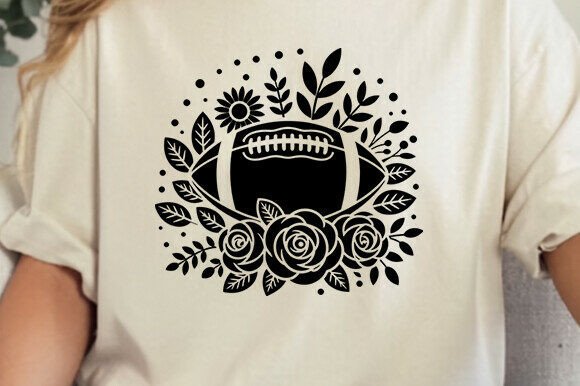
The moment I opened the SVG file, the mood was clear. It’s a delicate balance: a recognizable football shape built from layered florals, leaves, and soft curves. The design doesn’t shout “sports”—it whispers elegance with a playful edge. That’s exactly what my client wanted for a handmade apron that would be sold at a spring market. The floral elements are not slapped on top; they form the outline and fill, which gives the whole design a cohesive, almost hand-drawn personality.
For embroidery, this kind of structure is promising. The curved petals and leaf points create natural guidelines for satin stitch direction, while the open spaces inside the football shape allow for fill stitches without overwhelming the eye. The visual weight feels balanced, which is crucial when you’re turning a two-dimensional graphic into a textured fabric design. The first thing I thought was: this will look gorgeous on a linen tote bag or a cozy sweatshirt. But I also spotted areas that would need careful digitizing—the tiny flower centers and the narrow gaps between petals could become muddy if stitch density isn’t tuned right.
Real-World Embroidery Scenarios
I always test a design mentally across several product types before I commit to a real stitch-out. This floral football SVG feels like it belongs in a small shop’s seasonal collection. Here’s how I see it playing out in different contexts.
Custom Apparel and Tote Bags
For a sweatshirt or a t-shirt, the design’s soft curves work beautifully. The floral football shape is large enough to sit well on the chest or back of a garment without looking lost. I’d personally use it on a unisex crewneck as a single statement piece, maybe with a split satin stitch for the petals and a lighter fill for the football background. The design lends itself to that “boutique” look—the kind of thing a customer would pick up at a craft fair and immediately see as a personalized gift. On a tote bag, it would be even more forgiving. The flat canvas handles denser stitching well, and the floral details would pop against natural cotton. I can already picture a line of tote bags with this design in muted blush, sage, and cream thread colors.
Patches and Caps
I’ve made plenty of embroidered patches, and this design has patch potential. The compact shape fits a patch border nicely, and the floral football theme would appeal to a wide audience—youth sports teams, garden lovers, or anyone who wants a softer take on team spirit. Caps are trickier, though. The curved surface of a baseball cap demands a lower profile design, and the floral details here might need to be simplified for a smaller embroidery area. I’d probably use this as a side or back motif on a cap rather than a front-center piece, unless I’m working with a larger 5.5-inch hoop and can keep the stitch count manageable.
Baby and Nursery Items
This surprised me, but the floral football design is charming for baby embroidery. A onesie or a baby blanket with this design in pastel thread feels fresh and gender-neutral. The soft petal shapes avoid the harshness of typical sports graphics, so it fits a nursery’s calm aesthetic. I’d recommend using a lightweight stabilizer and a reduced stitch density to keep the fabric soft against a baby’s skin. The SVG’s delicate lines would need to be enlarged slightly for tiny garments, but the overall effect is undeniably sweet.
Where This Design Needs Extra Attention
No design is perfect for every situation, and an honest review means pointing out the places where you’ll need to pause and test.
Small Hoop Sizes and Fine Details
If you’re working with a 4x4 inch hoop, the intricate flower centers and narrow leaf gaps could become a problem. The SVG file is a single layer, so you’ll need to digitize it into embroidery commands. In a small hoop, those tiny details might end up less than a millimeter wide, which can cause thread breaks or a messy appearance. I’d suggest scaling the design up to at least 5x7 inches for most apparel projects, and removing some of the smallest interior elements if you’re forced to go smaller. The football outline itself remains recognizable even when simplified, but the charm of the florals lies in the detail—so don’t shrink it too much.
Fabric and Stabilizer Pairings
Stretchy fabrics like jersey or thin knits can distort the floral shapes. I’d use a strong cut-away stabilizer for any garment that will be pulled and washed often. The design’s curved lines are forgiving, but misalignment is obvious when the football shape warps. On textured fabrics like terry cloth or fleece, the petals might lose their crisp edges. A water-soluble topper helps here, but it’s an extra step that beginners might overlook. Dark fabrics need a light thread contrast, and I’d test the design on a black sweatshirt with white and gold thread to make sure the flower centers don’t disappear.
How It Elevates a Handmade Product
When a customer sees a floral football on a handmade item, they’re not just buying a product—they’re buying a feeling. This design taps into the “sporty elegance” niche that’s still underrepresented in craft markets. I’ve noticed that buyers respond to embroidery that feels personal and unexpected, and a football made of flowers is exactly that. It increases the perceived value of a simple tote bag or apron, because it looks like a custom design rather than a stock graphic. For Etsy sellers, that means higher listing prices and better engagement. The design’s visual appeal also lends itself well to printable mockups, so you can showcase it on your shop’s product photos without needing a finished sample right away.
Consistency is key for brand identity. If you’re building a small shop around floral sports themes, this SVG can become a signature element. I’d use it across multiple products—aprons, tea towels, pillows—to create a cohesive collection. The design’s balance of softness and structure makes it professional enough for client work, yet playful enough for hobbyist gifts. I’ve seen similar designs at craft fairs, and the ones that sell best are those that avoid looking too “cute” or too “aggressive.” This floral football hits that sweet spot.
Practical Embroidery Notes Before You Stitch
Here’s what I’d tell any fellow designer or craft business owner before they use this SVG in a project.
Digitizing the SVG for Embroidery
Remember, this is a digital graphic file, not an embroidery file. You’ll need to convert it—either manually in your digitizing software or by hiring a professional. The SVG paths are clean, which makes tracing easier, but you’ll still need to decide stitch types for each area. I’d use a satin stitch for the petal outlines and a light fill stitch for the petals themselves, with a running stitch for leaf veins. The football shape might need a light underlay to prevent fabric puckering. Always test the digitized version on a scrap of the same fabric you’ll use for the final product. I can’t stress this enough: a perfect SVG on screen doesn’t guarantee a perfect stitch-out.
Thread Colors and Contrast
The mood of the design changes dramatically with thread choice. I tested a few digital mockups: a monochromatic rose gold version looked luxurious, while a multicolor palette with green leaves and coral petals felt springy. The design’s open areas give you room to play, but make sure there’s enough contrast between the flower details and the football outline. I’d avoid using a dark thread for the football and a similarly dark thread for the petals, because the shape will blur. Check your design in black and white to see if the values hold up. If the football outline fades into the florals, adjust the stitch density or add a subtle outline.
Licensing and Commercial Use
The listing is for an instant download of one SVG file, and it’s a digital product—no physical item will be sent. Before you stitch it onto items you plan to sell, verify the license terms with the seller. Some SVG shops allow commercial use on physical products, others restrict it. Since this is a graphic asset in the Crafts category, many crafters assume it’s okay for small business use, but don’t guess. A quick message to the shop owner can save you from legal trouble later. I always keep a record of the license for my files, especially when I’m making items for a client’s boutique.
Final Testing and Presentation
Once you’ve digitized and stitched a sample, look at it under different lighting. The floral football design tends to look softer in natural light, which is great for lifestyle photos. I’d present the finished product on a flat lay with a few props—a flower stem, a vintage football—to reinforce the theme. For your Etsy listing or craft fair display, the design’s uniqueness will draw people in. And because it’s a digital file, you can always tweak the colors and scale without buying a new design. That flexibility is a huge advantage for a craft business.
All in all, Floral Football Svg,floral Sport,Footbal is a graphic asset that translates beautifully into the world of machine embroidery when you give it the right attention. It’s not a plug-and-play embroidery file, but a starting point for a truly custom stitched piece. For the designer who’s willing to digitize thoughtfully, test on real fabric, and pair it with the right product, this design can become a standout in a handmade collection.