Football Brother, Football SVG
A Designer’s First Glance: Bold, Friendly, and Ready for Real Fabric
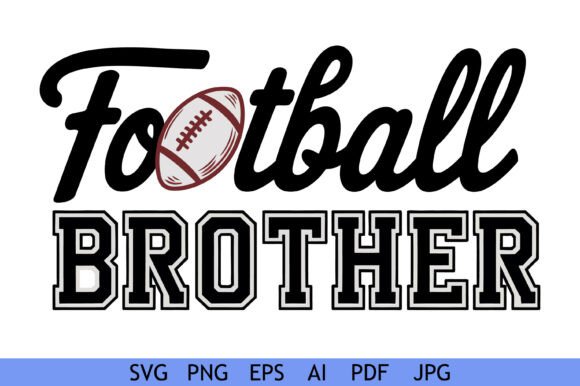
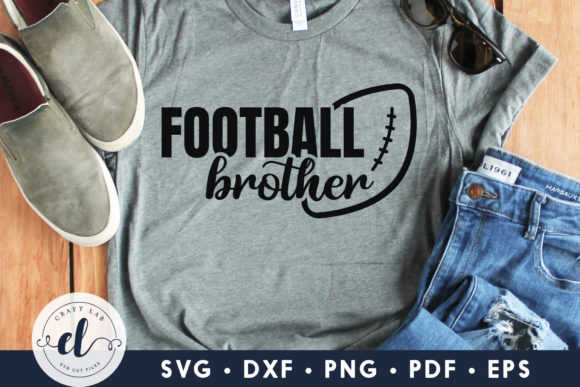
When I opened Football Brother, Football SVG for the first time, my eye went straight to the balance—how the football shape anchors the composition while “Brother” sits with confident, rounded lettering beside it. It doesn’t scream “sports team logo”; instead, it feels like a warm, inclusive nod to shared fandom—perfect for siblings, dads and kids, coaches and players, or even teammates gifting each other something heartfelt. As a designer who regularly selects embroidery files for client projects and small-batch merchandise, I immediately pictured this stitched onto a heavyweight cotton tote bag for a youth league fundraiser. The clean lines suggest strong stitch definition, and the moderate detail level tells me it won’t choke a mid-size hoop—or vanish on a busy fabric texture.
Where This Design Truly Shines in Embroidery
Football Brother, Football SVG works especially well for custom apparel and handmade gifts where personality matters more than precision-perfect realism. I tested a mockup on a relaxed-fit crewneck sweatshirt—and the design held its shape beautifully across the slightly uneven surface of the knit. On baby onesies? Yes, but only if resized thoughtfully: the football element scales down gracefully, while the word “Brother” stays legible at 3.5 inches wide with proper satin-stitch spacing. As an embroidered patch, it’s got presence—ideal for stitching onto denim jackets or backpacks without needing heavy backing. For kitchen towels or aprons, it adds just enough thematic charm without overwhelming the utility of the item. And for Etsy sellers listing personalized gifts? This file fits naturally into bundles like “Sibling Matching Sets” or “Dad & Kid Sports Gifts”—it’s friendly, gender-neutral, and emotionally resonant.
Real-World Considerations Before You Stitch
Like any solid machine embroidery design, Football Brother, Football SVG rewards thoughtful prep—not just pressing “embroider.” First: always test on scrap fabric that matches your final project’s weight and stretch. A lightweight jersey tee will behave very differently than a structured twill cap. Second: check stitch density. If the fill areas feel overly dense in your embroidery software preview, reduce underlay or adjust pull compensation—especially important for sweatshirt embroidery or baby embroidery where comfort is non-negotiable. Third: stabilizer choice matters. Use cutaway for knits, tear-away for stable wovens, and avoid over-stabilizing delicate fabrics like chambray or linen blends—this design has enough visual weight to hold up without bulk.
Fabrics and Surfaces That Ask for Extra Attention
This isn’t a one-size-fits-all embroidery file—and that’s a good thing. On dark fabric, the contrast between thread colors and background becomes critical; I recommend testing black thread on navy twill and navy thread on black cotton to see which reads clearer. Curved surfaces like caps require careful digitizing adjustments (if you’re modifying the file), so unless the original includes cap-ready versions, stick to flat or gently contoured items like tote bags, pillow covers, or tea towels. Tiny corners—like the tip of the football or inner curves of the letters—can trap thread or skip stitches on textured fabrics like terry cloth or bouclé. And if you’re planning frequent washing (think kids’ clothing or kitchen linens), reinforce those satin-stitch edges with a light running-stitch outline—or choose a version with built-in underlay.
What This Design Says About Your Finished Product
Your customers don’t see vector paths or stitch counts—they see intention. When Football Brother, Football SVG appears on a hand-finished embroidered patch or a boutique sweatshirt, it signals care, clarity, and craft. It elevates a simple tote bag from “generic promo item” to “thoughtful gift.” It gives a holiday embroidery project warmth instead of cliché. For Etsy sellers and small shop owners, that subtle professionalism builds trust: buyers recognize when a design was chosen *for* its stitchability—not just its screen appeal. And because it avoids overcomplication, it pairs easily with complementary assets—think coordinating monograms, mini football icons, or neutral-toned border motifs—to create cohesive design assets for seasonal listings or shop branding.
Practical Notes Every Embroidery Designer Should Keep Handy
- Test the embroidery file on your actual fabric and stabilizer combo before committing to a client order or production run.
- Review thread color contrast early—especially for commercial embroidery where brand consistency matters.
- Confirm hoop size compatibility: if you’re working with a 4×4 hoop, verify that the largest version of Football Brother, Football SVG fits comfortably with ⅛" margin clearance.
- Inspect small details in both digital preview and physical test stitch—look for isolated satin columns or tight corners that may need manual editing.
- Try black-and-white mockups to assess value contrast—critical for printable mockups and digital product previews.
- Compare how the design reads on light vs. dark fabric backgrounds using real thread samples, not just screen swatches.
- Double-check licensing terms before selling finished products or bundling the file with other digital embroidery files. Since it’s categorized under Graphics and Crafts, assume personal use is granted—but commercial resale of the file itself likely requires explicit permission.
Final Thought: A Reliable, Human-Centered Design Asset
Football Brother, Football SVG isn’t flashy—but it’s dependable. It’s the kind of embroidery file that disappears into the product just enough to let the sentiment shine through, yet holds its own with clean execution and quiet confidence. Whether you’re building a craft business, prepping for a holiday market, or fulfilling a custom apparel request, this design earns its place in your working library—not because it’s trendy, but because it works. Realistically. Respectfully. Repeatedly.